
ICES 2026: Space Architecture in Puerto Rico
Date | July 12 – July 16 2026
Location | Rio Grande, Puerto Rico
55th International Conference on Environmental Systems (ICES)

OVERVIEW
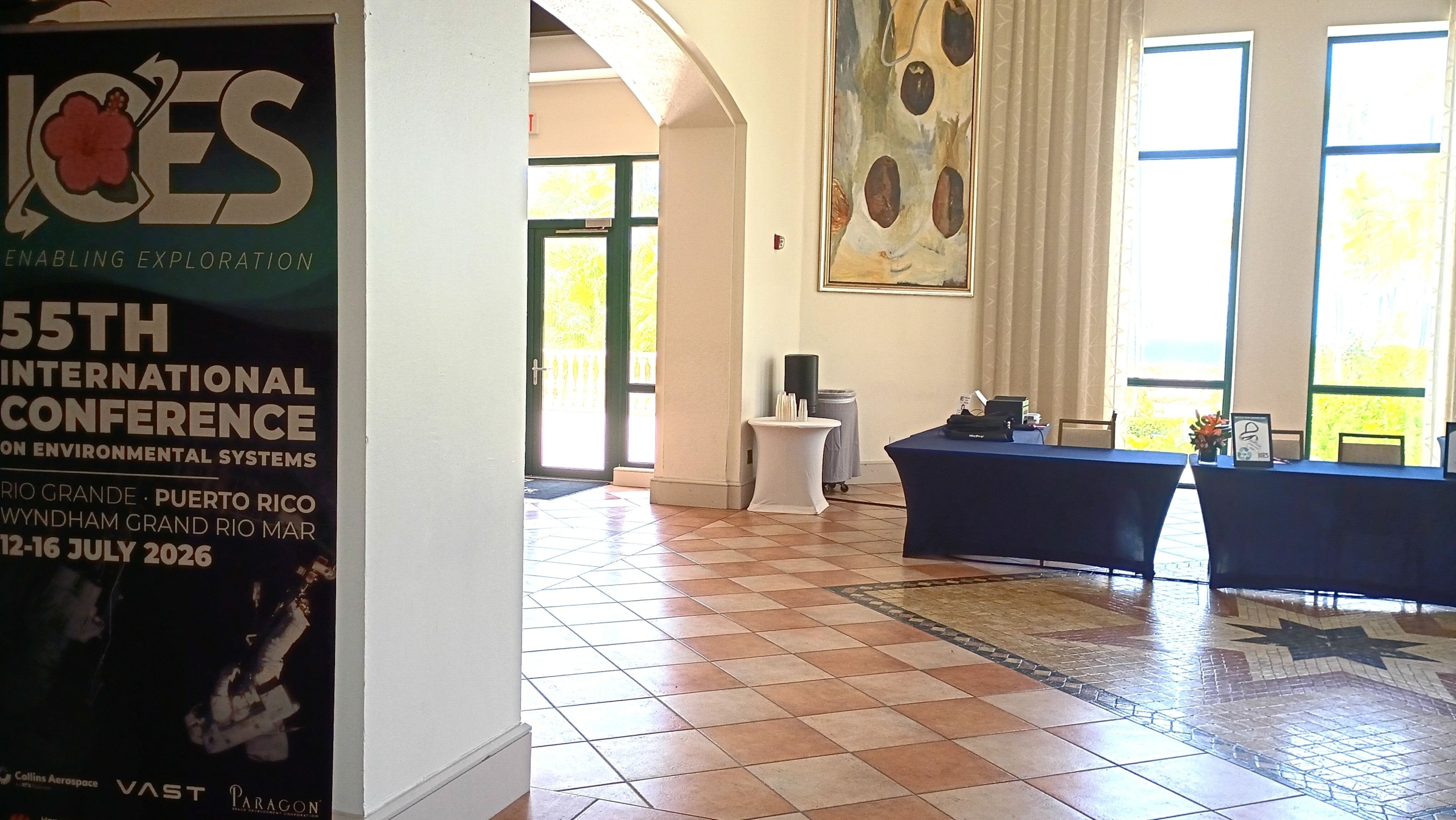
The 55th International Conference on Environmental Systems was held at the Wyndham Grand Rio Mar in Rio Grande, Puerto Rico. Since 1971, ICES has served as the primary venue for technical and scientific work on humans living in space and working in extreme environments, bringing together academia, government, and industry from around the world for technical sessions, panel discussions, a student poster competition, and published proceedings.
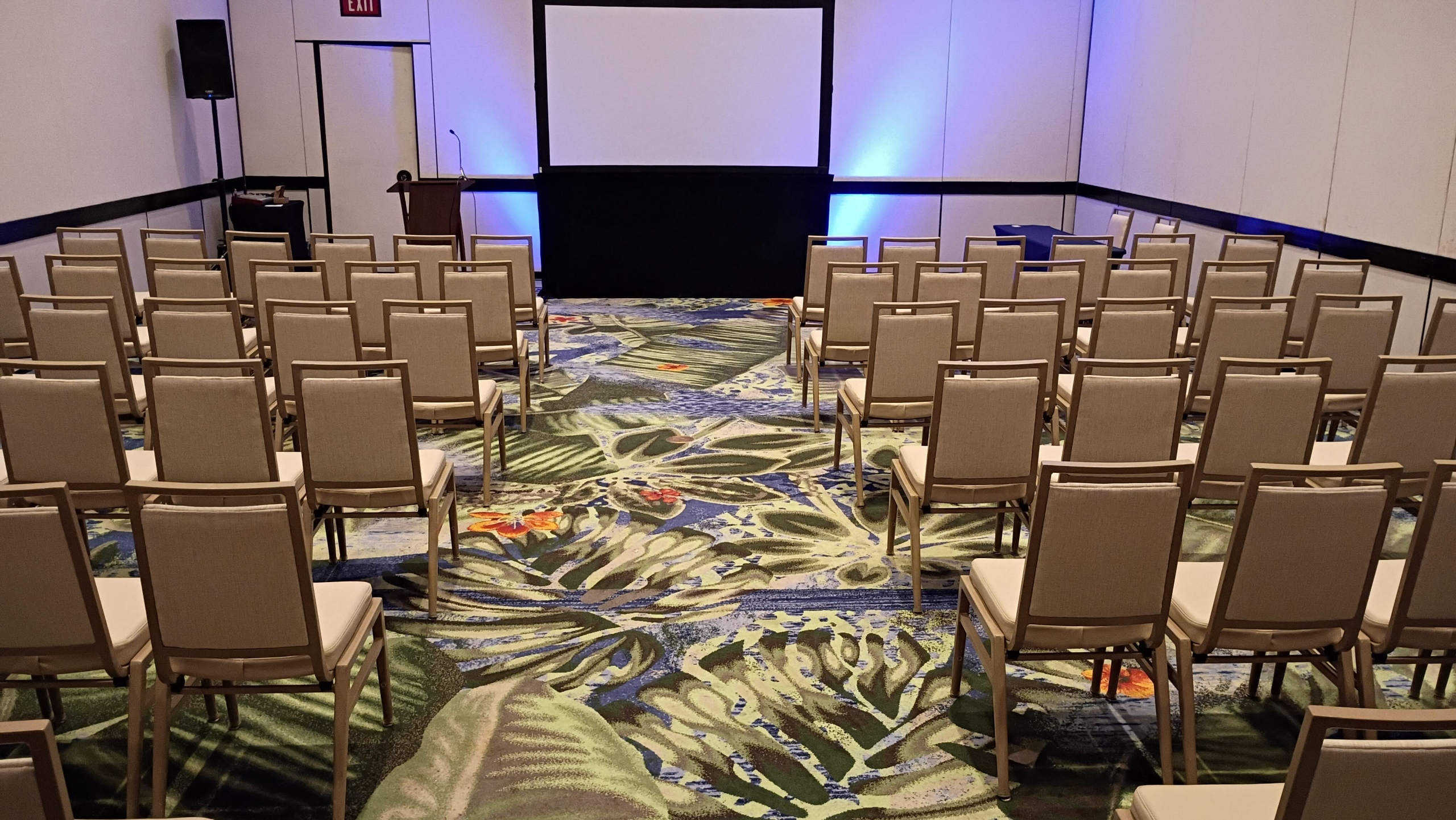
The SATC was represented at ICES Session 502: AIAA LS&S Space Architecture. The five-block session covered the application of architectural principles to facilities beyond Earth. Topics ranged across configurations and structures, construction and robotics, habitability and human factors, gravity regimes, life support integration, analogues and mockups, terrestrial applications in extreme environments, education, and the discipline of space architecture itself. Peak attendance in the session was around 55, well above average for a conference with roughly 400 attendees across ten concurrent tracks.
SESSION ORGANIZERS
- Adam Oswald – The Space Age
- Annika Rollock – Draper Laboratory
- Dr. Sandra Häuplik-Meusburger – TU Wien | Spacecraft Architektur
- Kyunghwan Kim – German Aerospace Center (DLR)
- Georgi Petrov – Skidmore, Owings & Merrill
SESSION 502A
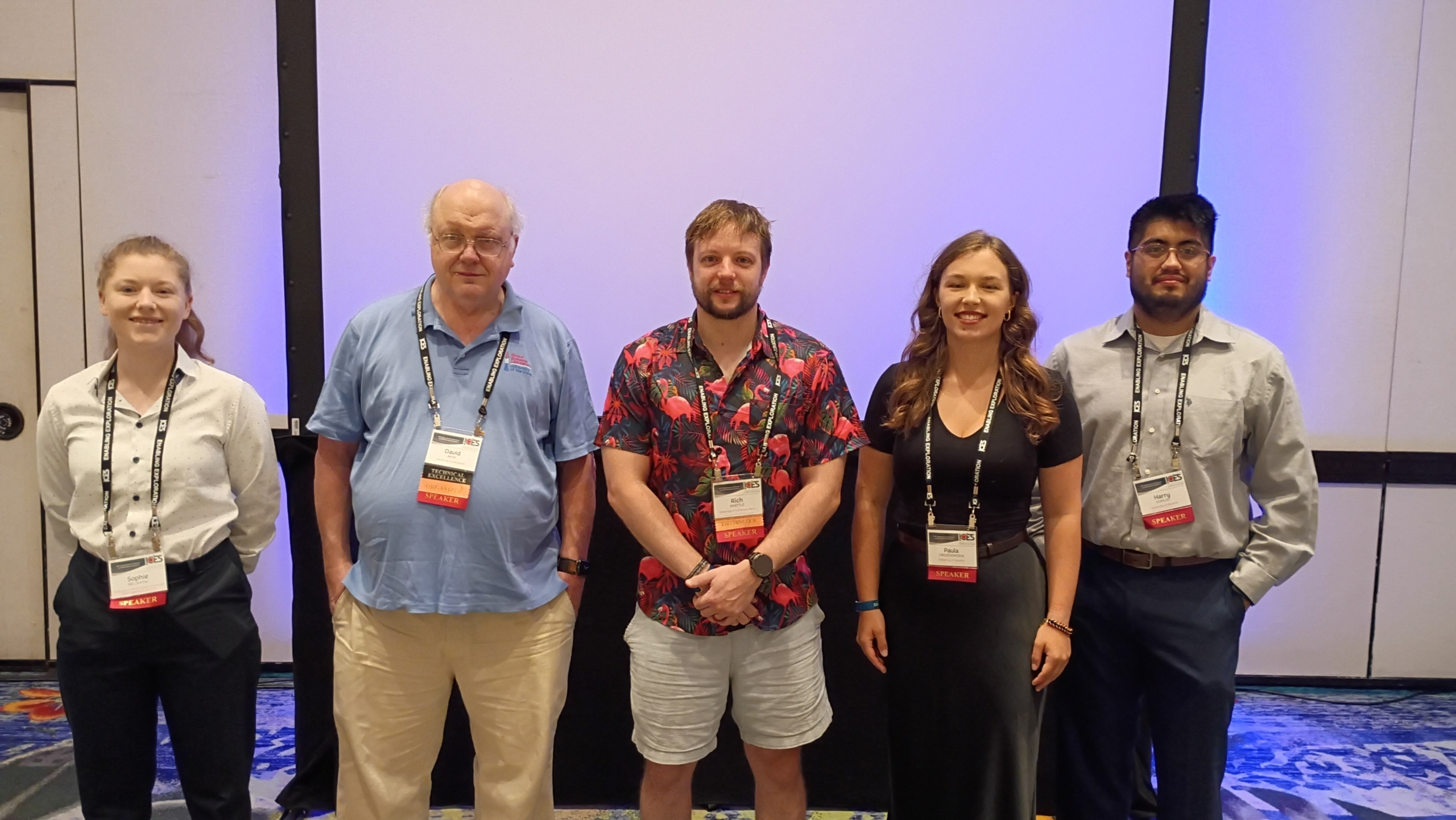
- Sophie Bielawski, “Minimum Net Habitable Volume Based on Mission Duration, Crew Size and Composition” (ICES-2026-351)
- David Akin, “Development of Self-Actuated Inflatable Tunnels for Planetary Habitats” (ICES-2026-584)
- Rich Whittle, “Window Systems in Lunar Habitats: A Framework for Visual Access Under Extreme Environmental Constraints” (ICES-2026-536)
- Paula Drozdowska and Harry Espiloy, “Design and Integration of Inflatable Pressurized and Unpressurized Structures for Lunar Habitation” (ICES-2026-224)
SESSION 502B
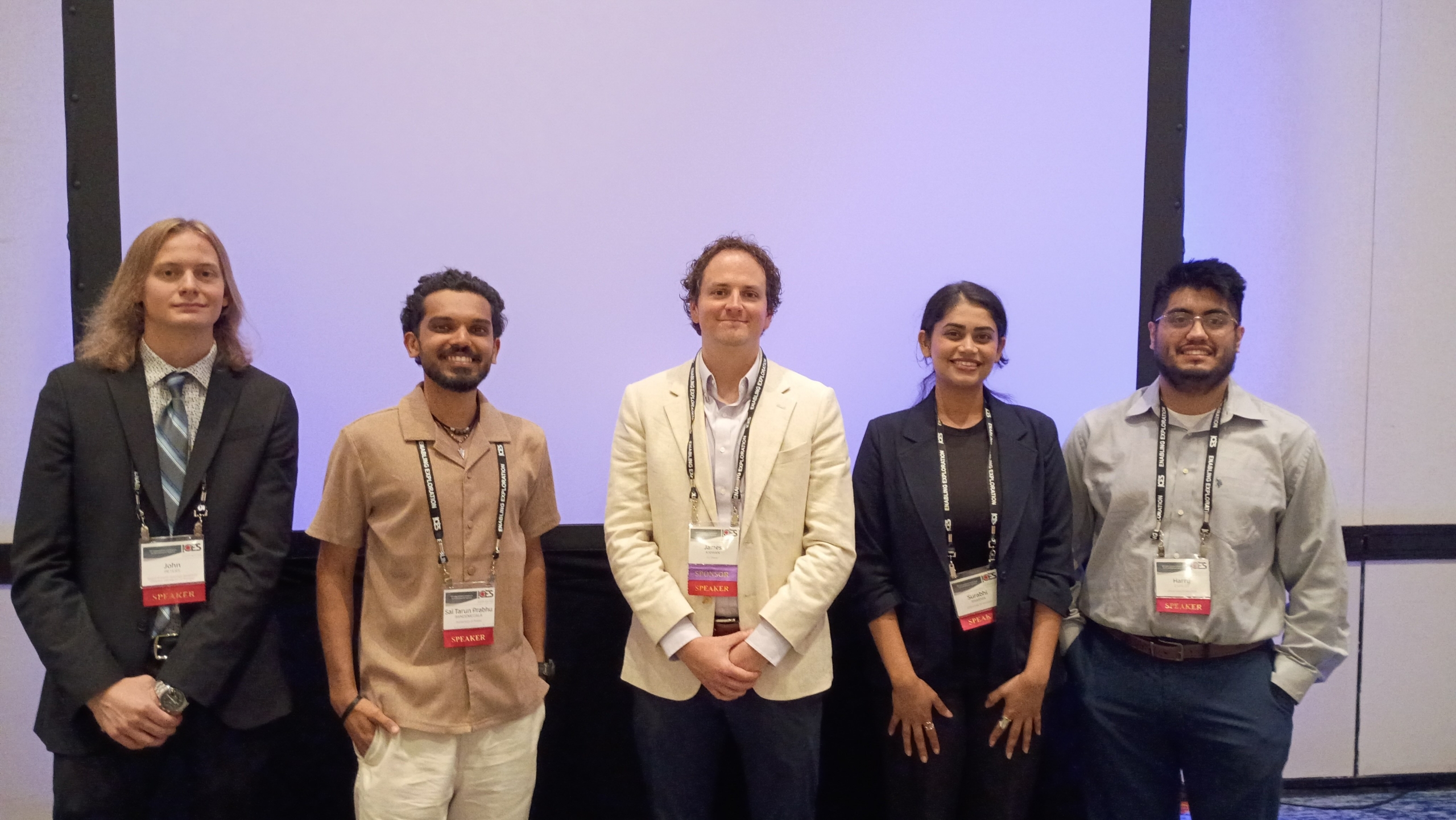
- John Peters, “Analog Simulation Training and Research Outpost Utilizing Self-Sustaining Architecture: A Testbed for Moon and Mars Technology at Purdue University” (ICES-2026-251)
- Sai Tarun Prabhu Bandemegala, “An Overview of the New HUMANS Analog Habitat” (ICES-2026-327)
- James Kirwan, “Expandable Habitat Technology Provides Most Economical Solution for Space and Terrestrial Applications” (ICES-2026-529)
- Surabhi Sharma, “Dealing With Deviations! Strategies for Human Research in Extreme Environments” (ICES-2026-402)
SESSION 502C
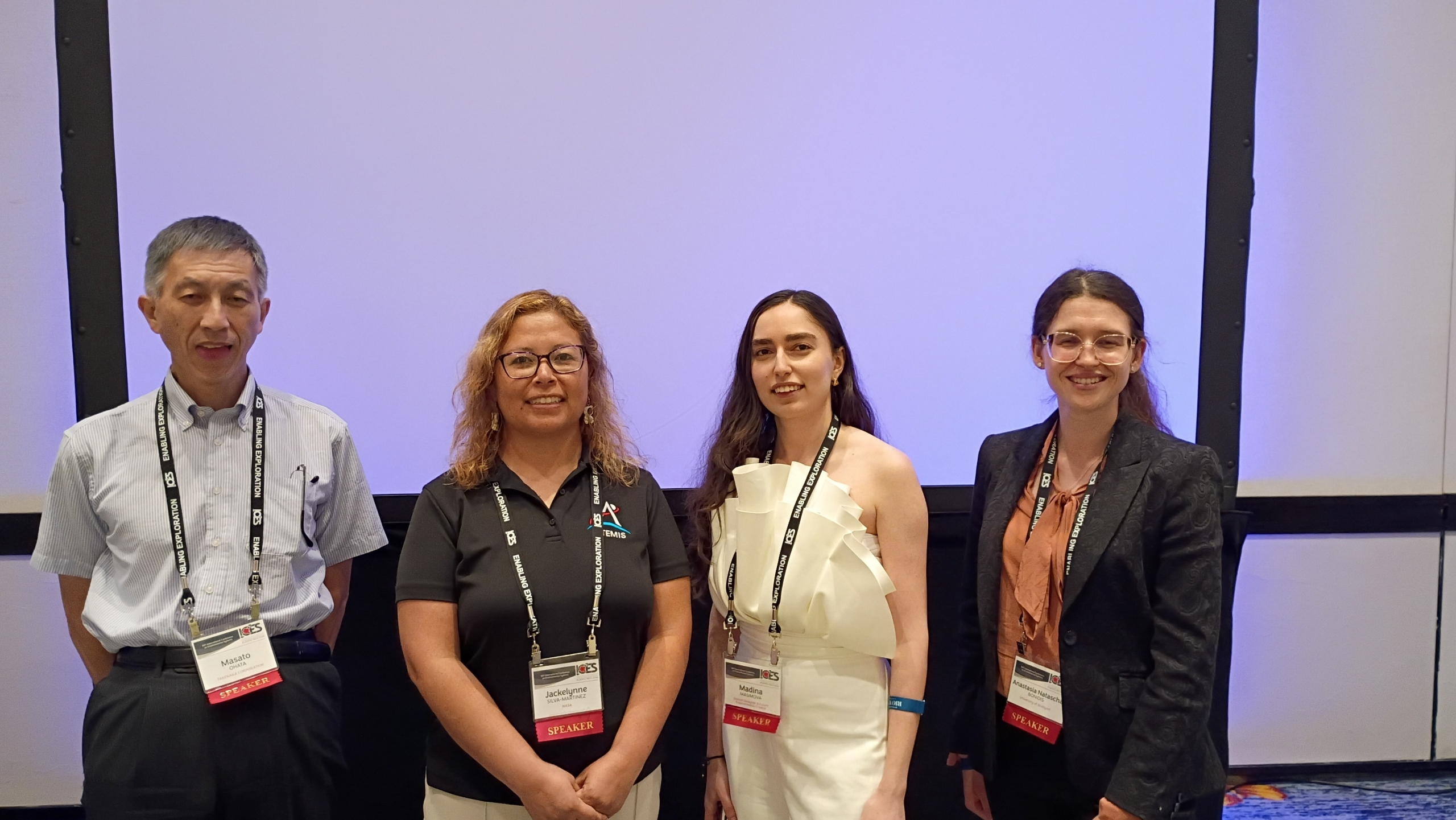
- Masato Ohata, “Interior Design Planning for a Compact Integrated Module for Short-Term Lunar Stays” (ICES-2026-369)
- Jackelynne Silva-Martinez, “Enabling Private Industry with NASA’s Human Systems Integration Knowledge Transfer” (ICES-2026-068)
- Madina Masimova, “Martian Symbiosis: Dual Settlement Framework” (ICES-2026-558)
- Anastasia Natascha Bonidis, “UMBRA: Lunar Village for Advanced Science, Exploration, and Academia” (ICES-2026-441)
SESSION 502D
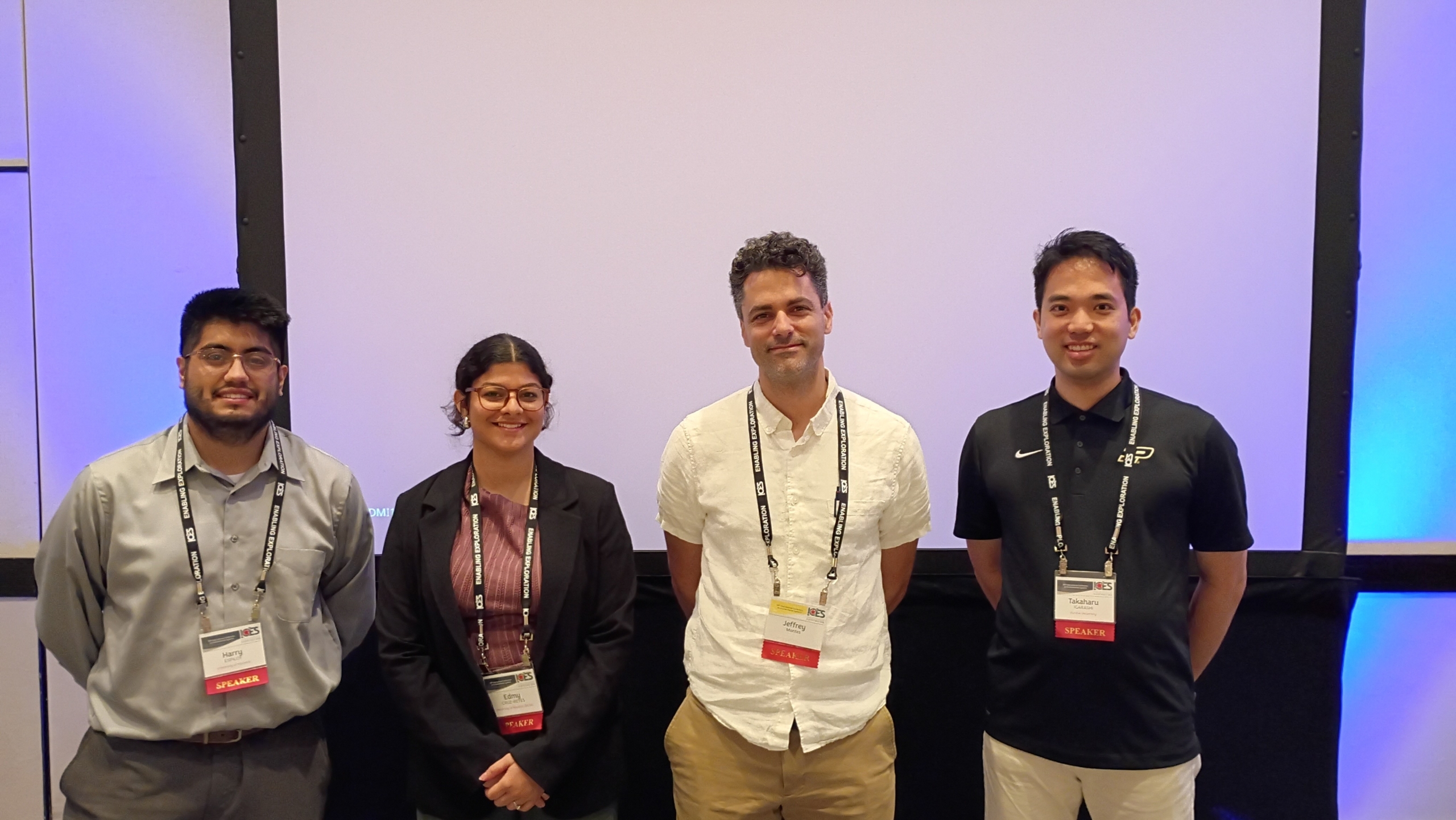
- Harry Espiloy, “Systematizing Space Designs: Methodology, Structure, Analysis and Future Applications of the Space Architecture Data Archive (SADA)” (ICES-2026-303)
- Edmy Cruz-Reyes, “Regolith-Based Paints: From Artistic Medium to Functional Coating” (ICES-2026-051)
- Jeffrey Montes, “The Progression of Space Stations as a Fitness Landscape” (ICES-2026-543)
- Takaharu Igarashi, “Progressive Evaluation of Maintainability Attribute Interdependencies in Extraterrestrial Habitat Design” (ICES-2026-372)
SESSION 502E
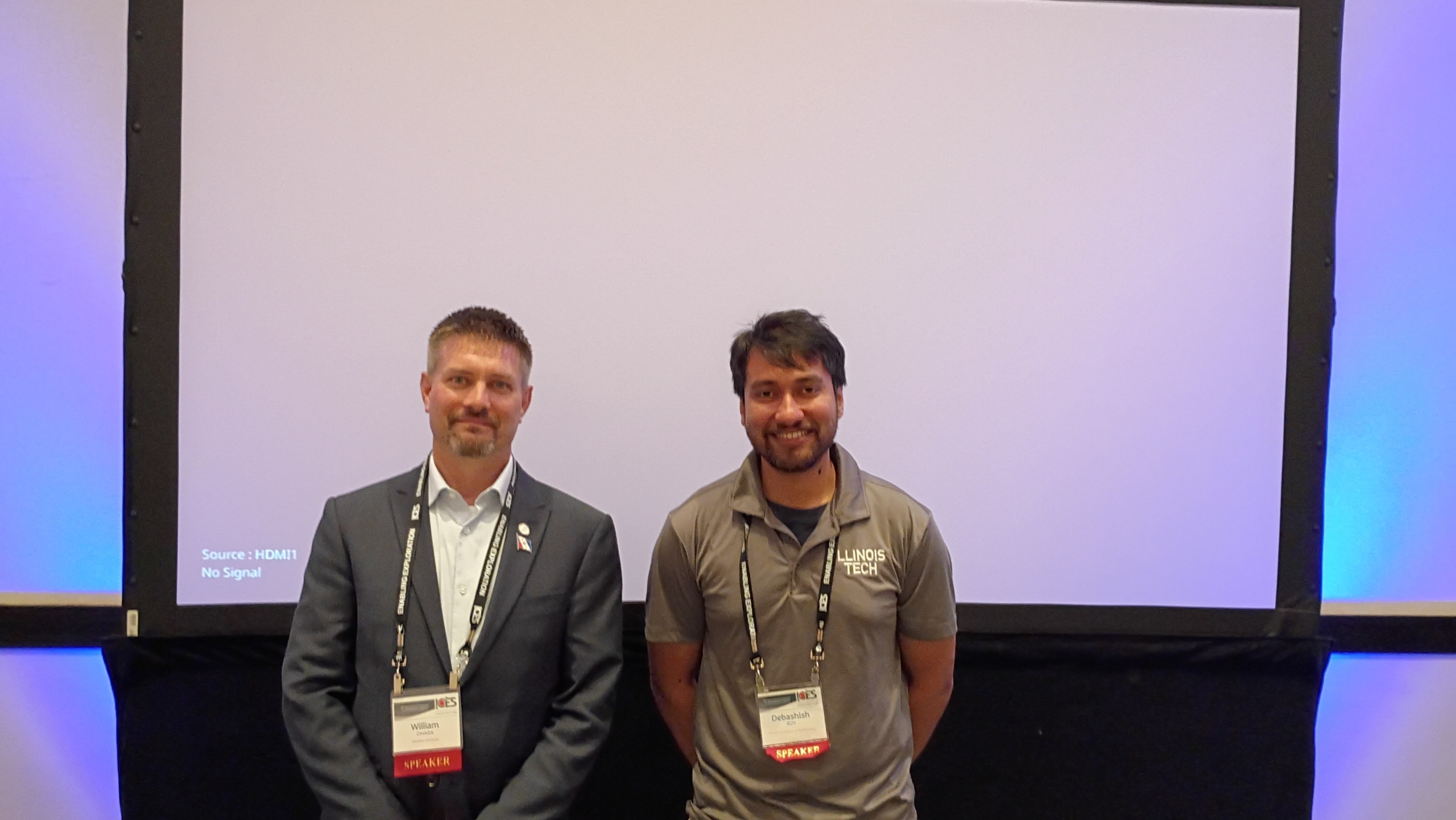
- William O’Hara, “A First-Principles Approach to Artificial Gravity Station Design” (ICES-2026-165)
- Debashish (David) Roy, “SpaceDestination: Design Framework of a Rotational Artificial-Gravity Gateway Station for Future Lunar and Martian Missions” (ICES-2026-481)
BEYOND THE SESSIONS
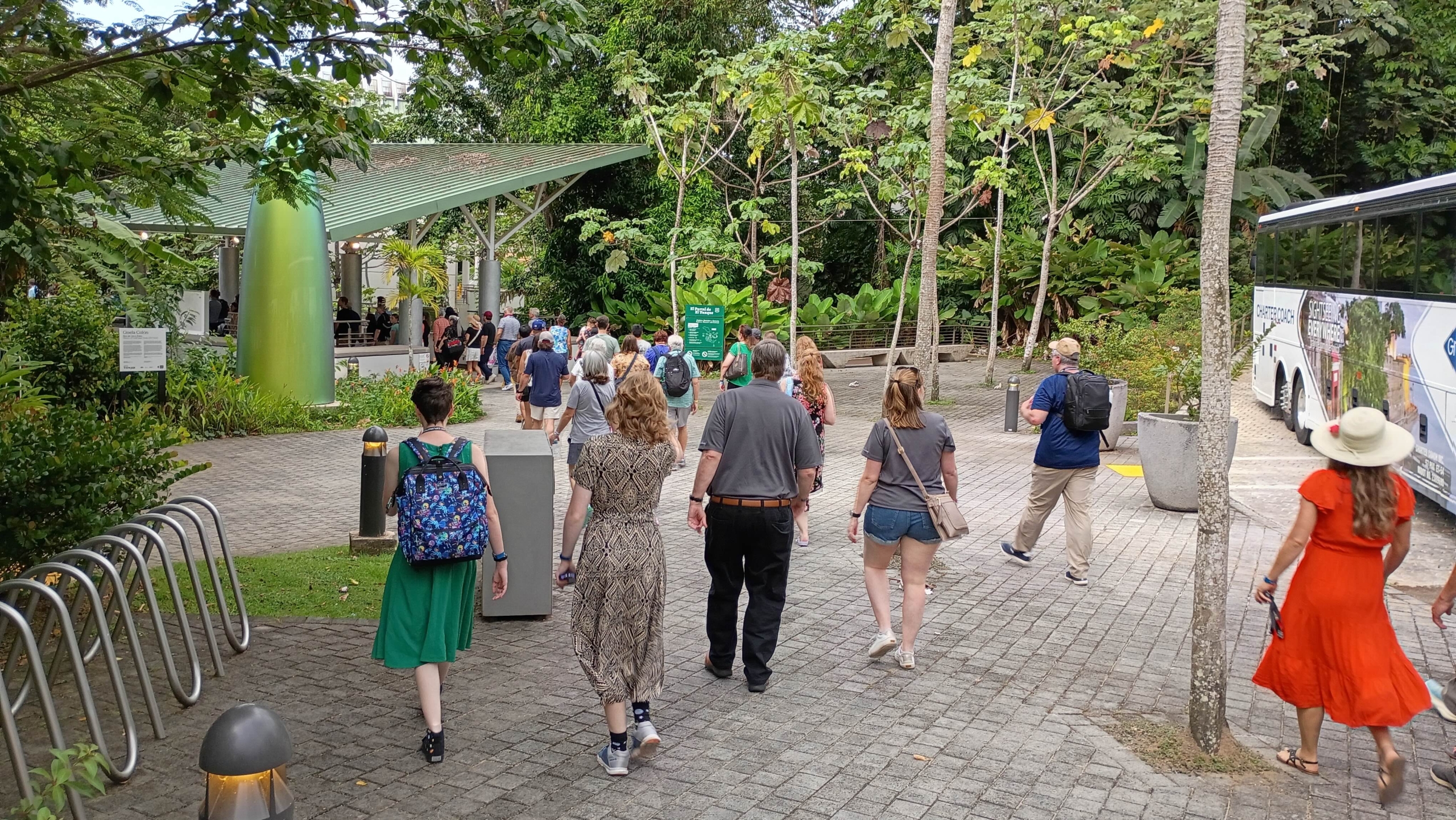
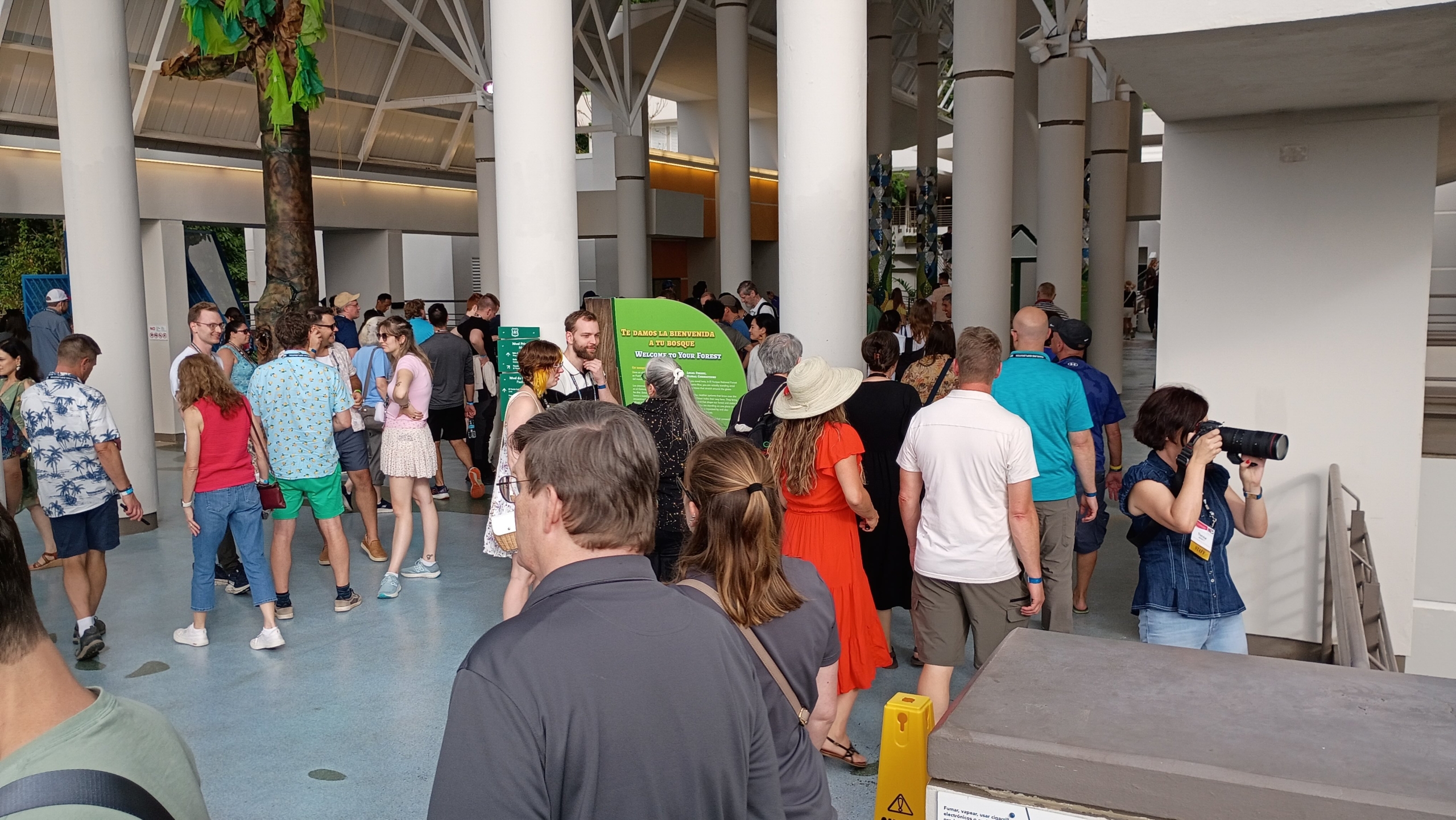
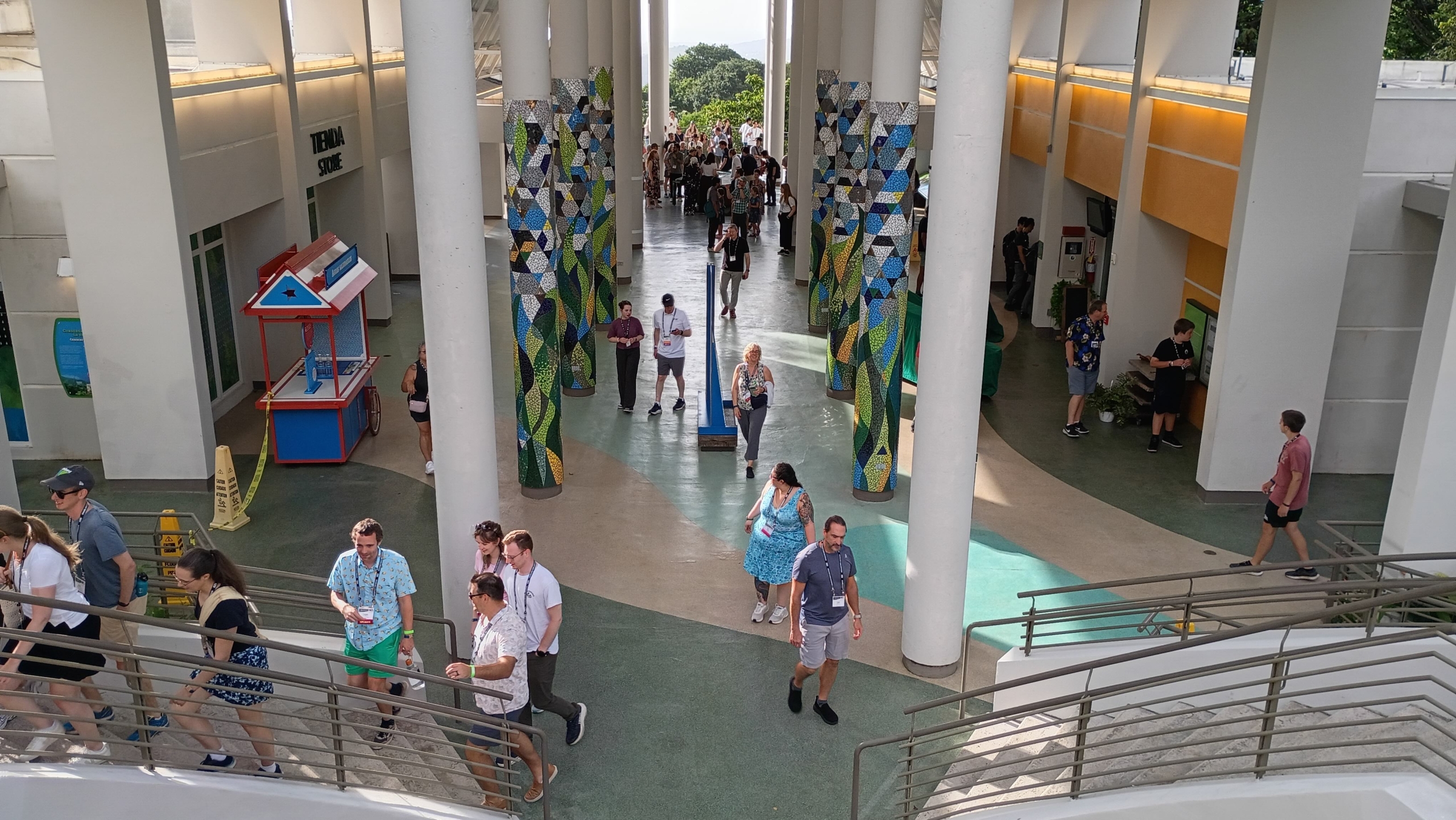
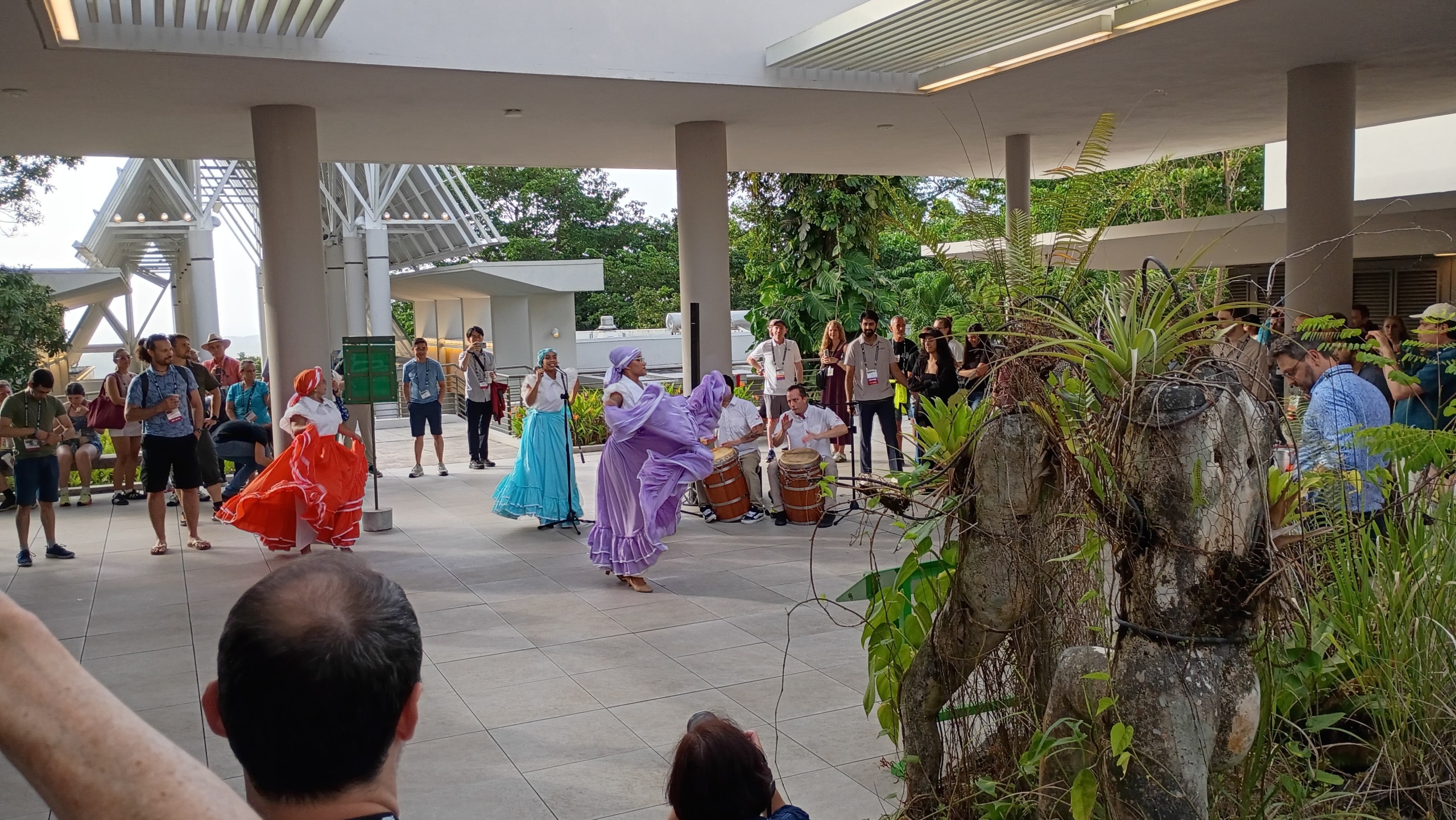
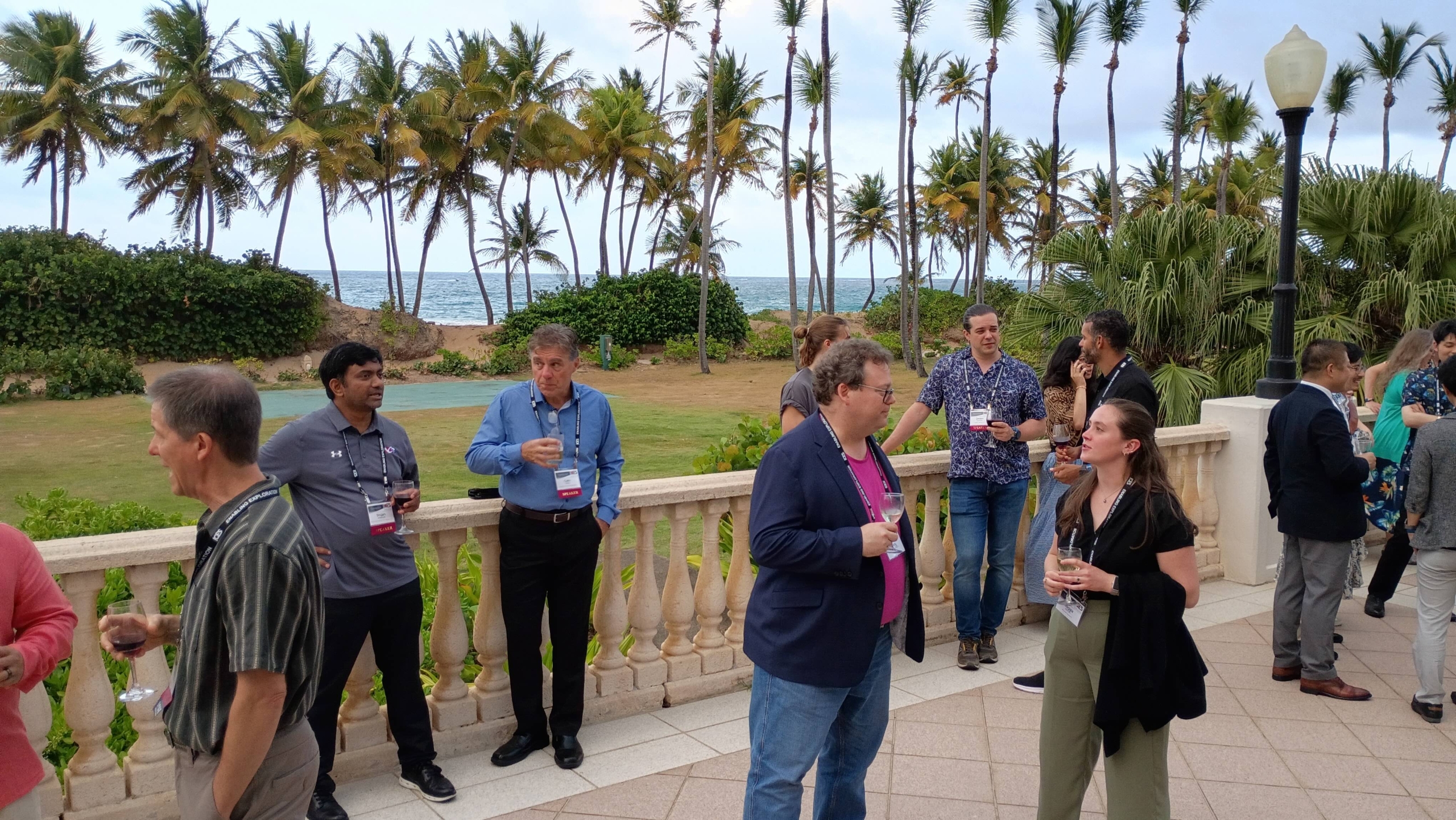
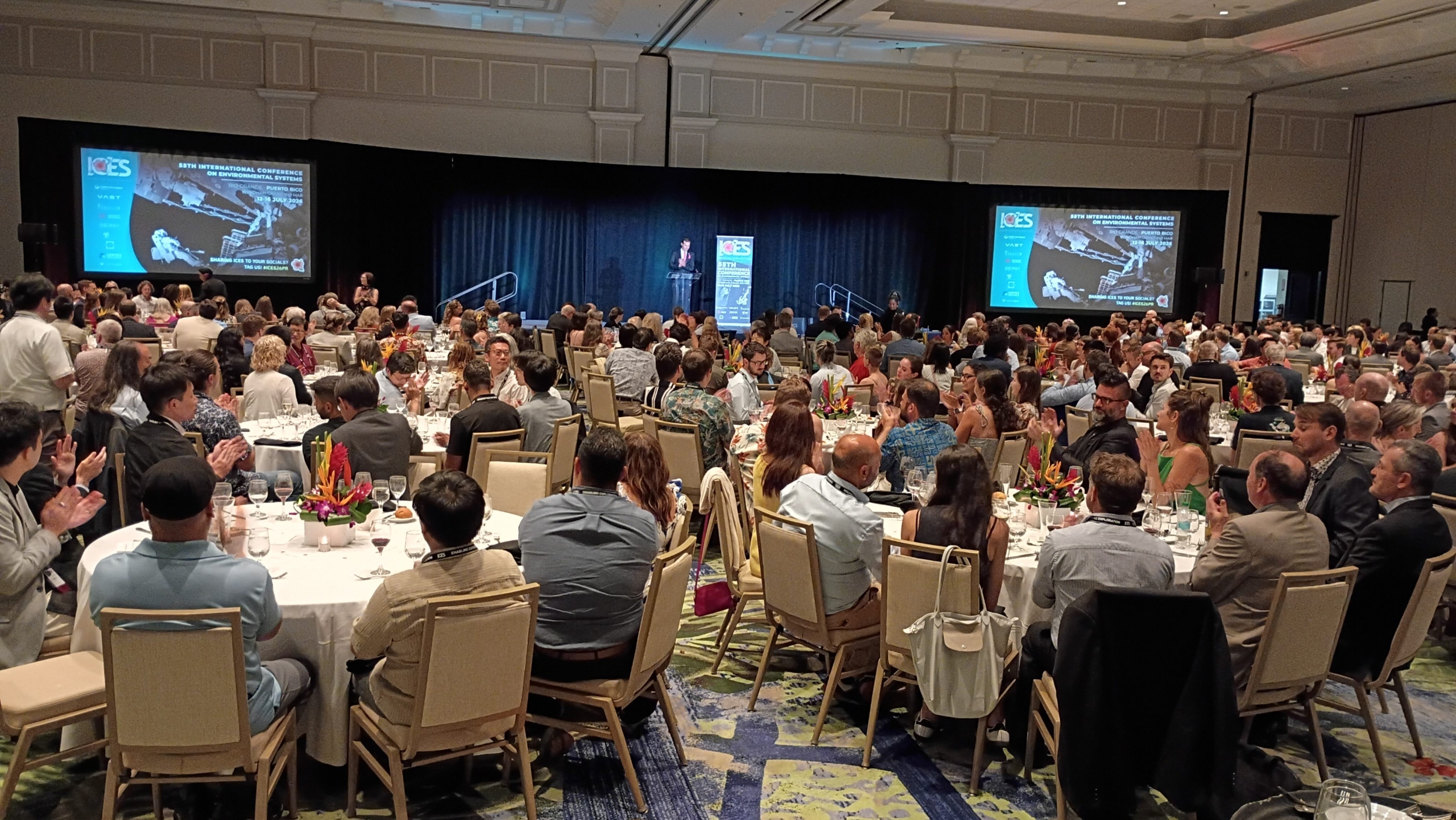
ICES keeps a full evening program: a welcome reception on Sunday, the student poster reception on Monday, a local cultural outing on Tuesday, and the awards banquet on Wednesday. This year’s Tuesday outing took the conference to El Yunque National Forest for a meal and cultural entertainment at the visitor center followed by guided walks through the rain forest. Technical sessions ran into Thursday afternoon and closed with an ice cream social.
Photos courtesy of Theodore W. Hall.
